Fibre in Food: Digestion and Comfort
Understanding the critical but often overlooked role of dietary fibre
What is Dietary Fibre?
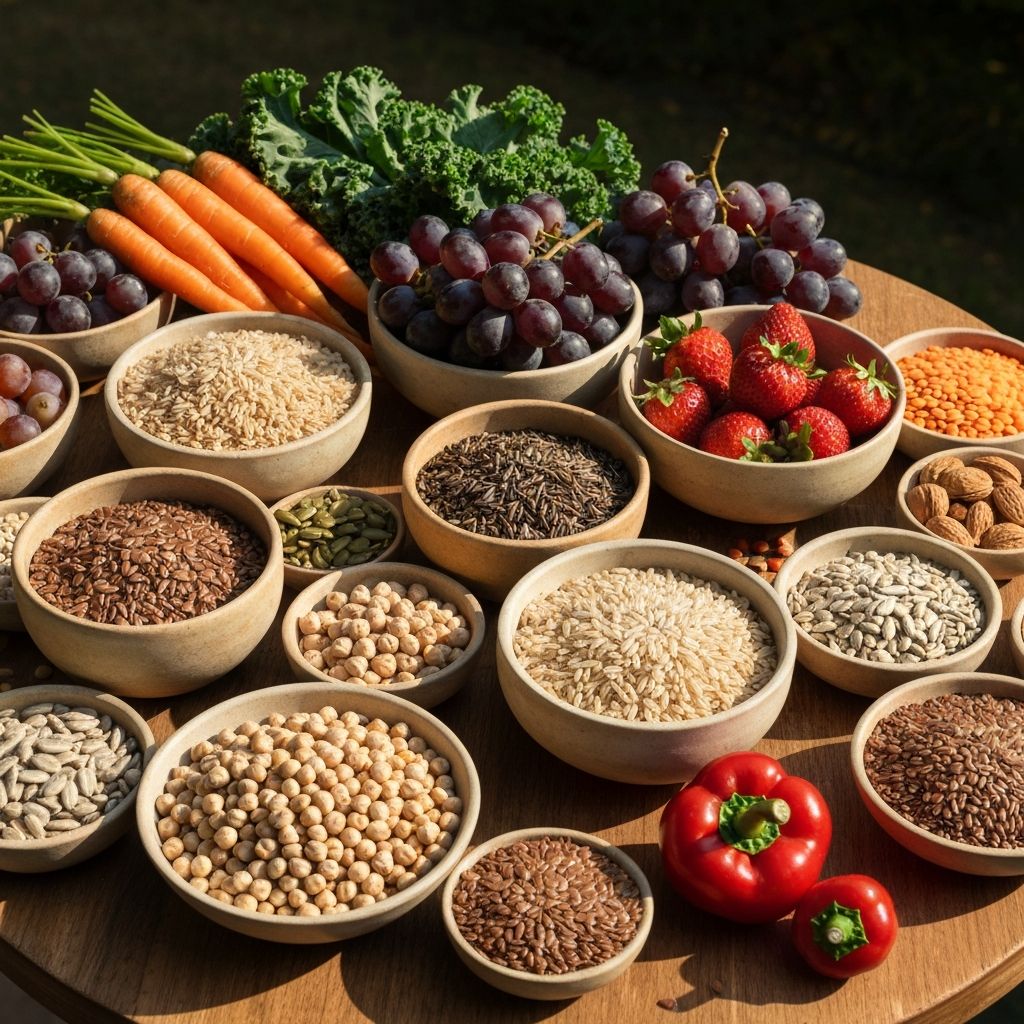
Dietary fibre is the indigestible component of plant foods—the parts that your digestive enzymes cannot break down into usable nutrients. Despite being indigestible by human enzymes, fibre profoundly influences digestive processes and overall metabolic health. It is found exclusively in plant-based foods: whole grains, vegetables, fruits, legumes, nuts, and seeds.
Two Types of Dietary Fibre
Soluble Fibre: This type dissolves in water, forming a gel-like substance in the digestive tract. Found in oats, barley, beans, apples, and pears, soluble fibre slows digestion, moderates blood glucose elevation, and supports cholesterol metabolism. It also feeds beneficial bacteria in the large intestine, which ferment it and produce short-chain fatty acids that support gut lining health.
Insoluble Fibre: This type does not dissolve in water and passes through the digestive tract largely intact. Found in whole grains, wheat bran, vegetables, and seeds, insoluble fibre promotes bowel regularity by adding bulk to stool and stimulating intestinal movement.
Most whole plant foods contain both types of fibre in varying proportions. The distinction is useful for understanding mechanisms, but in practical terms, eating a variety of plant foods ensures intake of both types.
Fibre and Digestive Function
Adequate fibre intake supports several aspects of digestive health. It promotes regular bowel movements, reduces the likelihood of constipation and haemorrhoids, and supports the health of the intestinal lining. Fibre also reduces transit time—the speed at which food moves through the digestive tract—allowing for optimal nutrient absorption and reduced exposure of the intestinal lining to potentially harmful substances.
Fibre and Satiety
Fibre contributes significantly to satiety. High-fibre foods add volume to meals with relatively few calories, creating physical fullness. Soluble fibre slows gastric emptying and prolongs the sensation of digestion. This combination means that meals rich in fibre tend to produce sustained satiety compared to fibre-poor alternatives with similar calorie content.
Fibre and Microbiota Health
The human gut is home to trillions of microorganisms—collectively called the microbiota. These bacteria influence digestion, immune function, mood, and metabolic processes. Fibre serves as the primary food source for beneficial bacteria. When you consume adequate fibre, you feed and promote the proliferation of health-supporting bacterial species.
Conversely, low-fibre diets allow less beneficial bacterial species to dominate, potentially compromising various aspects of health. The phrase "feed the gut" is based on this mechanism: fibre intake directly supports microbial diversity and function.
Individual Fibre Tolerance
While fibre is beneficial, individual tolerance varies. Rapid increases in fibre intake can cause temporary bloating, gas, or changes in bowel habit as the microbiota adjusts. Gradual increases in fibre consumption, combined with adequate hydration, typically allow the digestive system to adapt comfortably.
People with certain digestive conditions may need individualised guidance on fibre intake. A qualified healthcare provider or dietitian can provide personalised recommendations based on specific circumstances.
Optimal Fibre Intake
General recommendations suggest 25–30 grams of dietary fibre daily for most adults, though individual needs vary based on age, health status, and activity level. Most people in developed countries consume substantially less than this, making fibre intake an area where increases are often beneficial.